Protein Vending Machine vs Protein Counter: Which Is Better for a Gym?
A staffed counter sells on service. A vending machine sells on convenience. Here is how the two compare on staffing, hours, space, data and customer experience, and when a gym should run both.
On this page22 sections
- What Is a Protein Counter?
- What Is a Protein Vending Machine?
- Protein Vending Machine vs Protein Counter: Key Differences
- 1. Staffing and Operational Requirements
- 2. Operating Hours and Accessibility
- 3. Customer Convenience
- 4. Space Requirements
- 5. Product Selection
- 6. Sales Tracking and Business Data
- 7. Inventory Management
- 8. Customer Interaction
- Which Is More Scalable?
- Which Option Is Better for a Small Gym?
- Which Option Is Better for a Large Gym?
- What About 24/7 Gyms?
- Can a Gym Use Both a Protein Counter and a Vending Machine?
- When Should a Gym Choose a Protein Vending Machine?
- When Is a Protein Counter Still the Better Choice?
- The Future Is Probably Both
- How FuelBot Fits the Smart Gym
- Final Verdict: Protein Vending Machine or Protein Counter?
- Frequently asked questions
Protein and sports nutrition are now a familiar part of the fitness experience, and most gyms already sell shakes, supplements and energy drinks through a reception desk or a dedicated protein counter. As facilities automate, there is a second option: the protein vending machine.
Both approaches work. A counter offers personal interaction and staff help. A machine offers convenience, automation and self-service. So in the protein vending machine vs protein counter question, which is better for a gym? It depends on how the gym operates, what members expect, who is on shift, how much floor there is, and what the retail corner is meant to achieve.
What Is a Protein Counter?
A staffed retail point inside the gym where members buy shakes, supplements, drinks and other fitness products. A member walks up, picks a product, pays, and a staff member hands it over or prepares it. Depending on the gym, the counter may also offer product recommendations, nutrition guidance, shake and beverage preparation and general help.
Its biggest strength is human interaction. Members who want help choosing, or have questions before they buy, get a more personal experience. The flip side is that the retail operation is tied to staff availability.
What Is a Protein Vending Machine?
An automated retail unit that dispenses protein products, supplements, shakes or other fitness drinks through self-service. The member deals with the machine directly: select a product, choose an option, pay digitally, collect, done, with no staff involved in the sale.
Modern smart machines go beyond dispensing. Depending on the configuration they carry a digital interface, cashless payment, sales tracking, inventory monitoring and cloud management. That turns a protein vending machine from a box in the corner into a technology-enabled retail channel for the business.
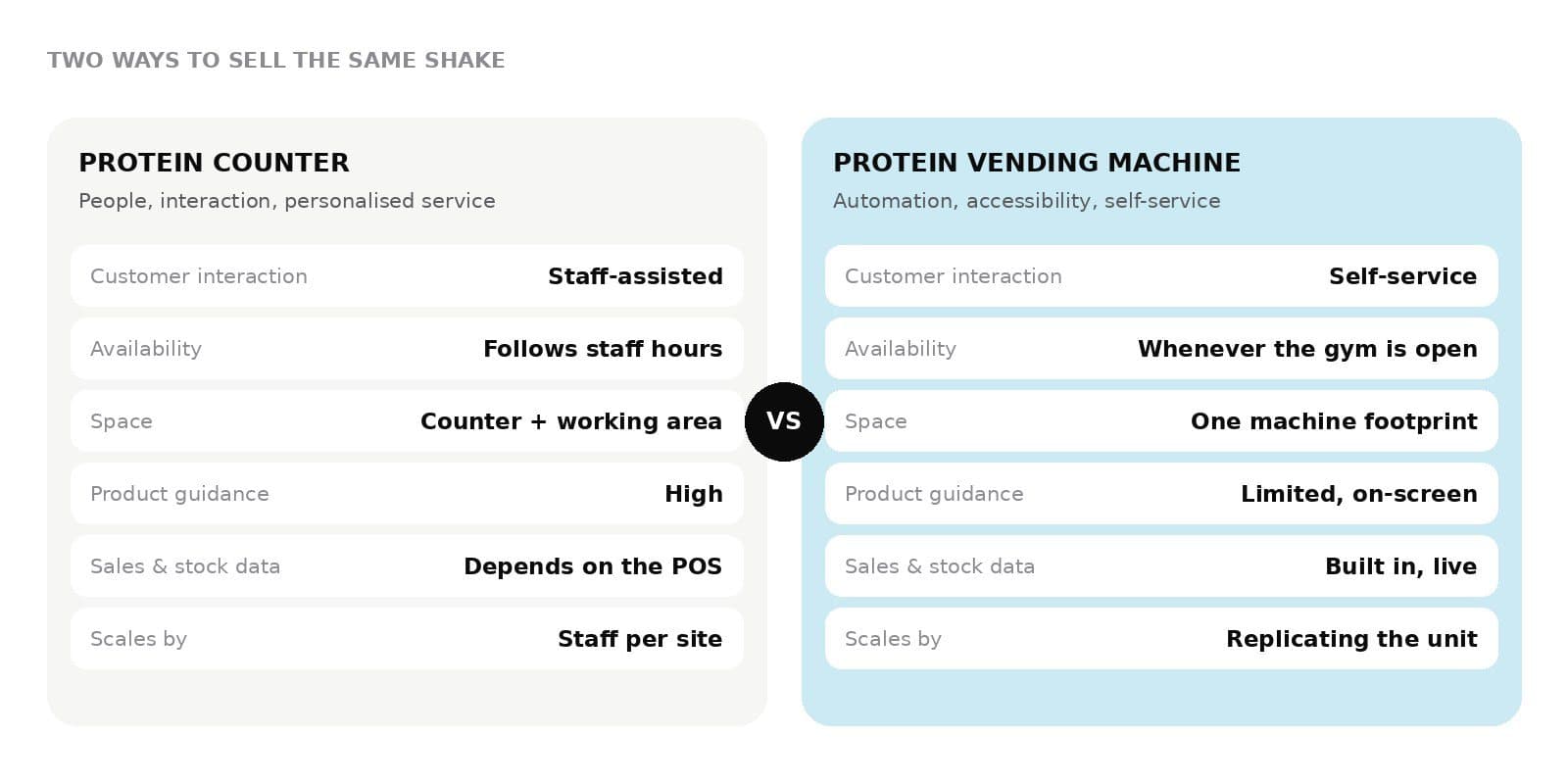
Protein Vending Machine vs Protein Counter: Key Differences
They can sell similar products, but day to day they run very differently.
| Factor | Protein counter | Protein vending machine |
|---|---|---|
| Customer interaction | Staff-assisted | Self-service |
| Staff involvement | Required for every transaction | Reduced for individual transactions |
| Availability | Usually follows staff hours | Can support extended hours |
| Space | Counter plus working area | A dedicated machine footprint |
| Payment | Staff and POS dependent | Digital payments built in |
| Sales tracking | Depends on the POS | Automated tracking available |
| Inventory monitoring | Depends on the management system | Digital monitoring available |
| Product guidance | High | Limited, or digitally assisted |
| Scalability | Needs more operational resources per site | Machines replicate across locations |
| Customer experience | Personalised | Fast and self-service |
Neither model wins automatically. The right one depends on what the business is trying to do.
1. Staffing and Operational Requirements
Staffing is the biggest difference. A counter needs someone to take the order, process the payment and prepare or hand over the product, every time. A machine automates that transaction, so the member buys independently.
That is not the same as removing people. A machine still needs replenishment, cleaning, maintenance, product management and technical support. The difference is that nobody has to be standing there for each purchase. For a gym with a thin roster, that is what makes automated vending worth a look.
2. Operating Hours and Accessibility
A counter follows the staffing schedule. A gym may stay open late while the reception or supplement counter closes earlier, which opens a gap between gym availability and retail availability. A vending machine bridges it by supporting self-service purchases whenever the facility is accessible and the machine is stocked and working. That matters most for 24/7 gyms, early-morning and late-night facilities, large centres, and anywhere reception hours are short.
3. Customer Convenience
Picture a member who has just finished training and wants the product they always buy. At a counter the sequence is wait, order, pay, receive. At a machine it is select, pay, dispense. For repeat buyers who know what they want, self-service is simply quicker, and members are already comfortable with QR payments and self-service elsewhere. Members who want a recommendation may still prefer the counter.
4. Space Requirements
A counter needs a working area: counter space, storage, preparation, displays, equipment and room for staff. A machine is a compact alternative, which suits smaller gyms that want supplement sales without building a retail counter. Placement still matters: floor space, member flow, visibility, accessibility, power and restocking access. A machine in a dead corner gets a fraction of the attention of one on the natural route out.
5. Product Selection
A counter can usually offer a broader range because staff handle each order by hand. A machine is built around a defined product configuration: protein shakes, protein supplements, energy drinks, electrolytes, creatine, EAA and BCAA products, functional beverages and similar lines, depending on the system. The question that matters is not how many products can be offered. It is whether the selection matches what the gym's members actually buy.
6. Sales Tracking and Business Data
A counter can track sales through a POS system, with the depth depending on the system. Smart vending builds tracking into the operation itself: transaction volume, product demand, sales patterns, popular lines, purchase frequency and replenishment needs. That data replaces assumptions when deciding what to stock and when to restock.
7. Inventory Management
At a counter, staff watch stock by eye and flag what is running low. Smart vending gives digital visibility of inventory levels, which becomes genuinely useful across several machines or several sites. The goal is plain: know what is selling, know what is running low, replenish at the right time, so a member never arrives to find their product gone.
8. Customer Interaction
This is where the counter clearly wins. A staff member can answer product questions, explain the options, recommend, help newcomers and make the moment personal. A machine is designed for speed and convenience, and it is at its best when the member already knows what they want. The choice is partly about the kind of retail experience the gym wants to create: personal assistance points to the counter, fast self-service points to the machine.
Which Is More Scalable?
Scalability matters once a gym runs more than one site. A counter needs a physical setup and staff at every branch, so expanding it multiplies the operational load. A standardised machine replicates across locations with a consistent member experience. How large that advantage is depends on the technology, the business model, maintenance and the product supply chain.
Which Option Is Better for a Small Gym?
A small gym often has neither the space nor the staff for a dedicated counter, so a compact machine is the realistic way to add supplement retail. Check demand first, though. A small facility with low footfall may not justify either option. Decide on actual member demand, not on the size of the machine or the length of its feature list.
Which Option Is Better for a Large Gym?
Large gyms have the footfall, and more opportunities for supplement sales. A machine adds a self-service point without staff handling every sale, and automation earns its keep at peak hours when the counter queue builds. Many large centres run vending alongside reception or nutrition services rather than replacing them.
What About 24/7 Gyms?
Here the difference is sharpest. A staffed counter cannot run all day. An automated machine keeps serving outside staffed hours, which is exactly when members with unusual training schedules are on the floor. The facility, the machine and the stock all have to be maintained for that to hold.
Can a Gym Use Both a Protein Counter and a Vending Machine?
Yes, and for many gyms the hybrid model is the practical answer. During staffed hours, members talk to staff, ask questions and get personal help. Outside those hours, the machine handles quick purchases. Or split by job: the counter for personalised service and complex orders, the machine for quick buys and repeat orders. Each system does what it handles best, and nothing that already works has to be torn out.

When Should a Gym Choose a Protein Vending Machine?
- Consistent member footfall and real demand for protein and sports nutrition
- Extended operating hours
- Limited staff availability for retail transactions
- A suitable installation spot
- Members comfortable with self-service payment
- An interest in automated sales tracking and an additional retail channel
None of these guarantees profit. They mean automated vending is worth evaluating, and the unit economics article shows how to run that evaluation properly.
When Is a Protein Counter Still the Better Choice?
- Personal service is central to the gym's offer
- Members frequently want recommendations, or nutrition consultation is part of the service
- Suitable staff are already in place
- Products need real preparation
- Existing counter sales are already performing well
Automation should solve a business problem. If the counter already delivers the experience the gym wants, efficiently, replacing it because vending technology exists is not a reason.
The Future Is Probably Both
The protein vending machine vs protein counter debate does not need a single winner. The counter is built around people, interaction and personalised service. The machine is built around automation, accessibility and self-service. As gyms adopt more digital tools the two coexist, and the future of gym retail is less about replacing human service than about using automation where it adds real value.
How FuelBot Fits the Smart Gym
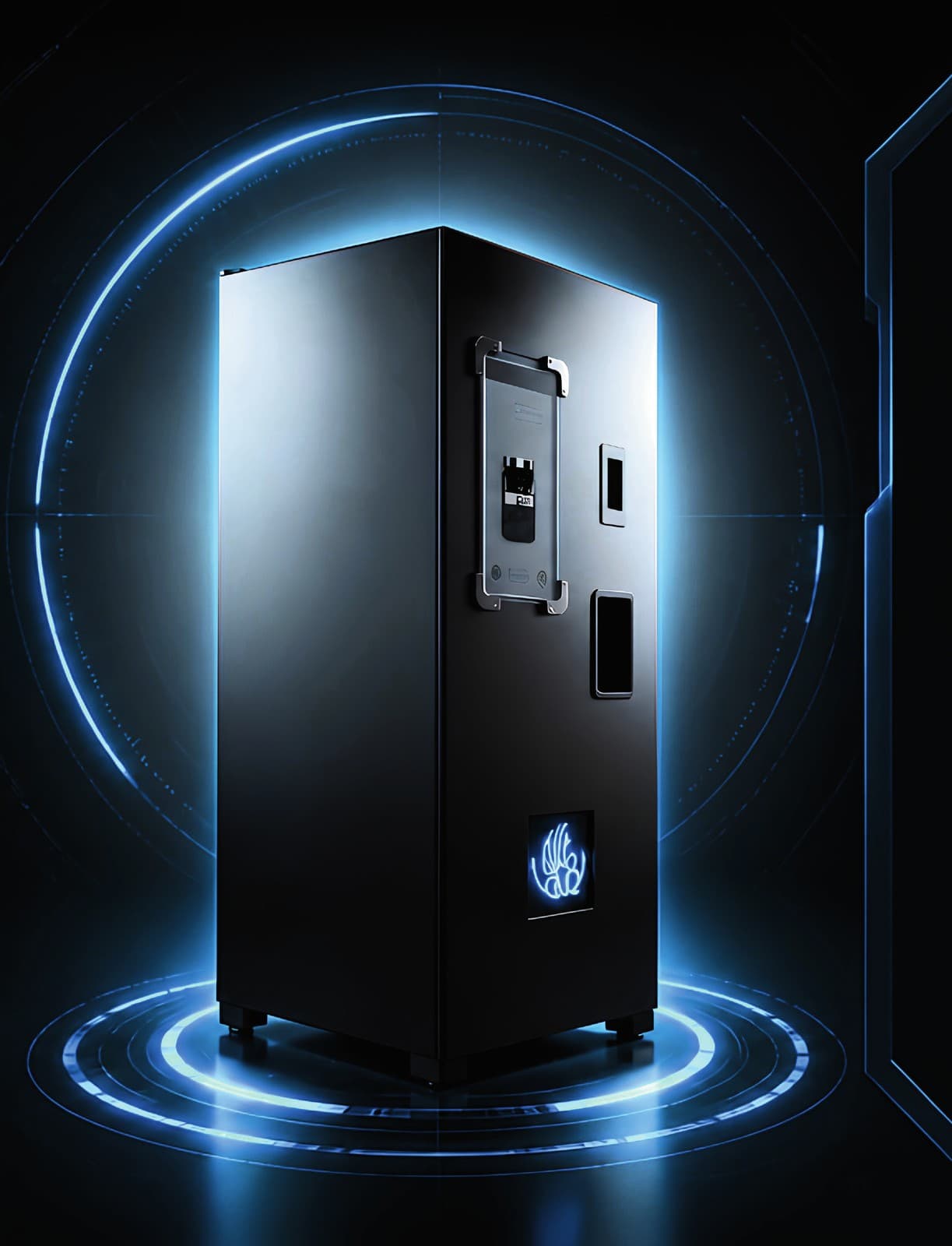
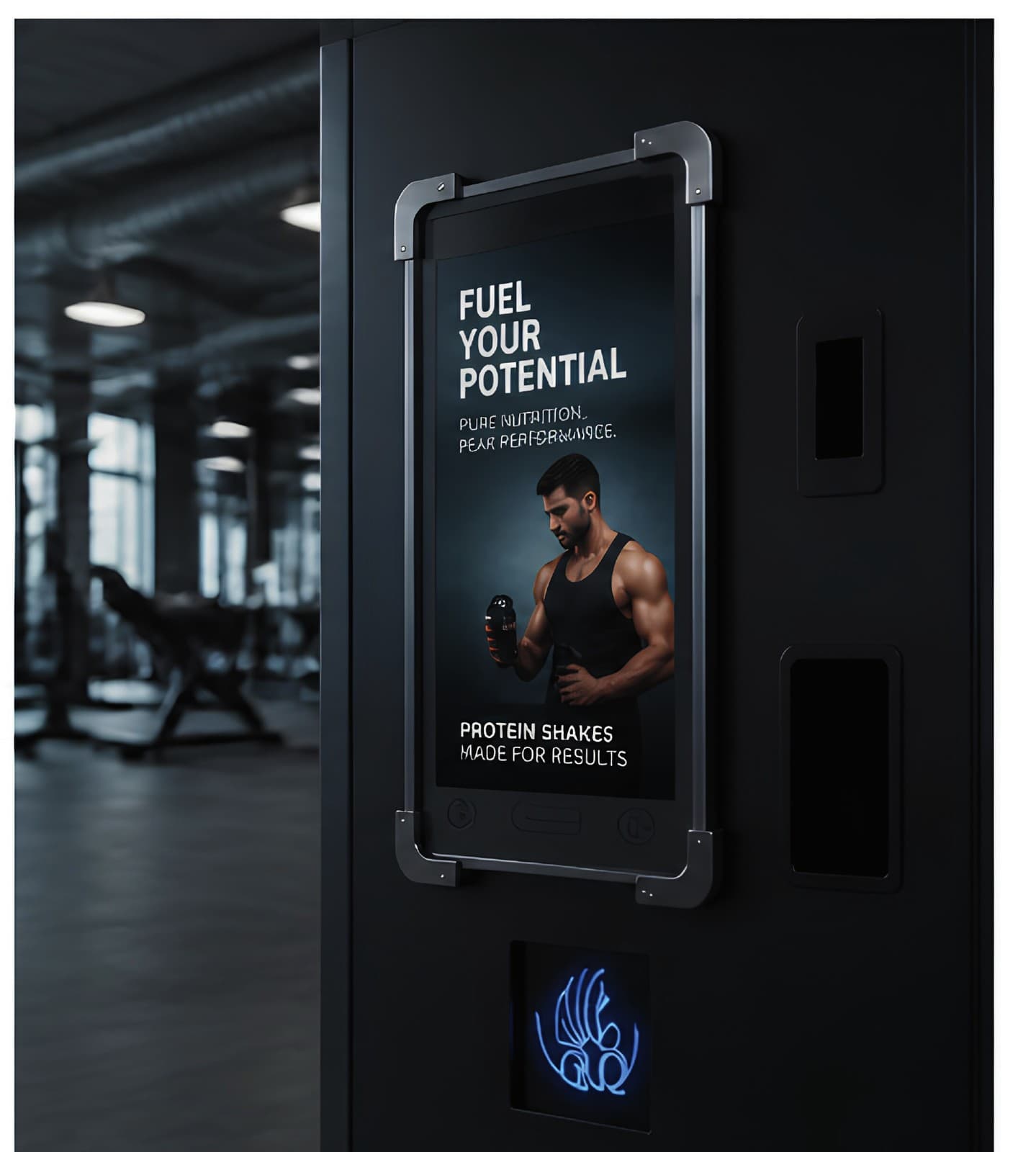
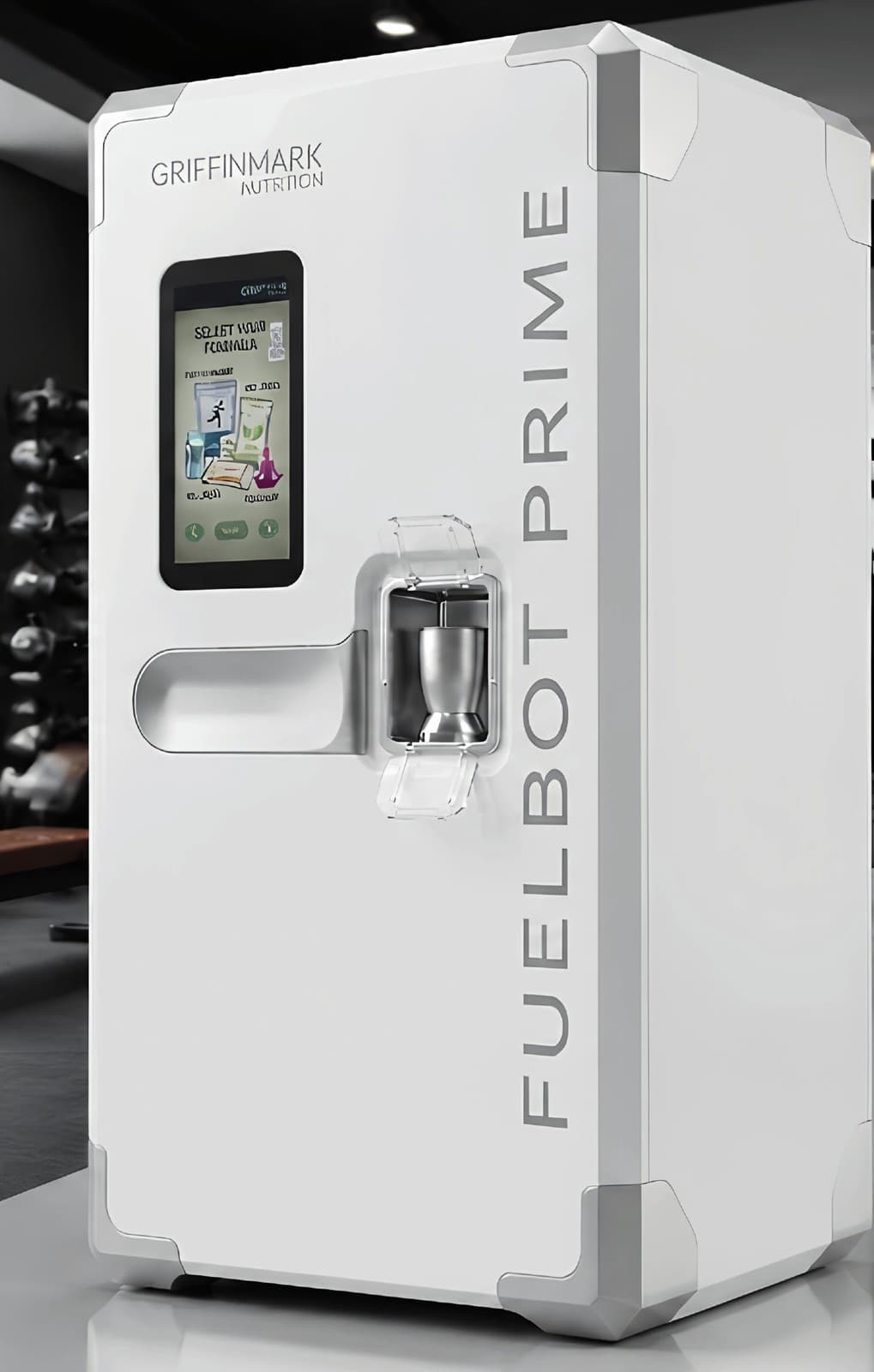
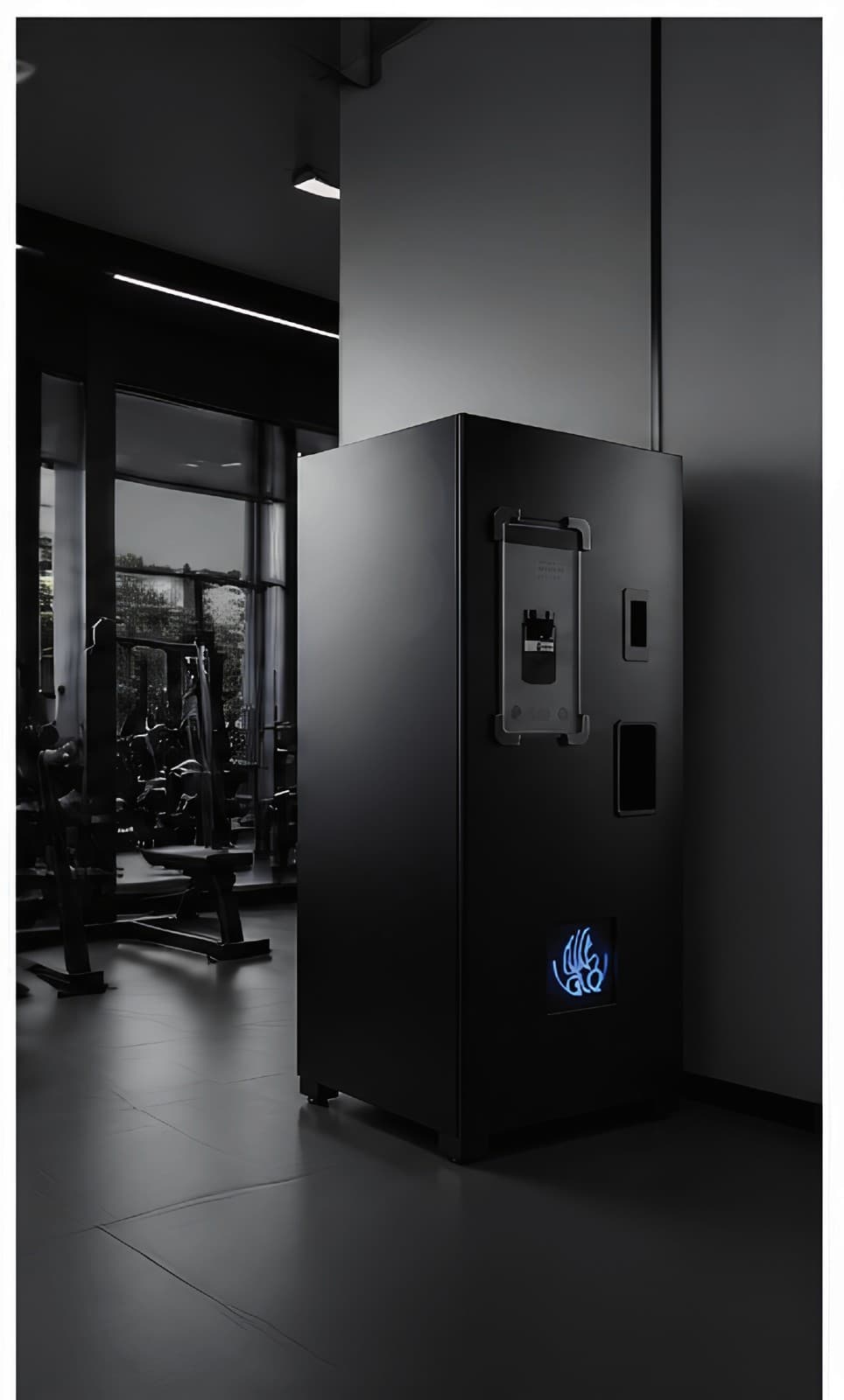
Griffinmark Robotics' FuelBot range is built for automated protein and supplement vending in fitness and commercial venues, combining automated dispensing with smart vending capabilities in one self-service unit. For a gym owner considering automation, the question is not whether a machine beats a counter in the abstract. It is which retail model fits the way your gym runs. For some that is the counter, for some the machine, and for many it is both.
Final Verdict: Protein Vending Machine or Protein Counter?
There is no universal answer. A protein counter wins when personal service, staff interaction and product guidance matter most. A protein vending machine wins when convenience, self-service, extended availability and automation are the priorities. For gyms with the right members and operating model, automated vending adds a way to sell protein and sports nutrition without staff handling every sale.
The decision comes down to footfall, hours, staffing, space, product demand, member expectations and business goals. Rather than asking whether automation should replace the counter entirely, ask where automation improves the retail experience you already have. If you want to talk it through, contact Griffinmark Robotics.