Looking for a Vending Machine Manufacturer? 7 Things to Check Before Investing
The manufacturer you choose shapes the machine you live with for years. Seven things to check before investing, from engineering capability and product compatibility to total cost, support and room to grow.
On this page10 sections
- 1. Understand the Manufacturer's Technical Capabilities
- 2. Check What Products the Machine Can Actually Dispense
- 3. Evaluate the Payment System and Software Integration
- 4. Look Beyond the Machine Price
- 5. Check Customisation and Branding Options
- 6. Ask About Maintenance, Warranty and Technical Support
- 7. Evaluate the Manufacturer's Ability to Support Future Expansion
- One range, four models for different operational requirements
- Final Thoughts
- Frequently asked questions
Investing in a vending machine is not just about purchasing a machine and placing it in a commercial space. It is about choosing the right technology, understanding its capabilities and ensuring that it can support your business requirements over time.
Whether you are planning to install a vending machine in a gym, fitness centre, commercial facility or premium venue, the manufacturer you choose plays an important role in the success of that investment.
Today, vending machines are moving beyond conventional product dispensing. Smart vending systems can integrate digital displays, automated dispensing, cashless payments, inventory tracking and sales analytics.
But with different manufacturers offering different technologies and configurations, how do you identify the right one? Before investing, here are seven important things you should check when choosing a vending machine manufacturer.
1. Understand the Manufacturer's Technical Capabilities
The first thing to evaluate is whether the manufacturer actually understands the technology behind the machine. A vending machine may look impressive from the outside, but its real value lies in its internal engineering.
Check whether the manufacturer has expertise in:
- Mechanical design and fabrication.
- Automated dispensing mechanisms.
- Electronic control systems.
- Software and user interface development.
- Payment gateway integration.
- IoT connectivity and remote monitoring.
This becomes particularly important when purchasing specialised vending machines. For example, an automated protein vending machine requires a dispensing mechanism designed for nutritional products. A beverage vending system may require additional components for preparation, temperature control and hygienic dispensing.
A manufacturer with in-house engineering capabilities can have greater control over the machine's design, integration and future improvements.
2. Check What Products the Machine Can Actually Dispense
Not every vending machine is designed for every product. A conventional snack vending machine, an automated supplement dispenser and a smart beverage system have different technical requirements.
Before choosing a manufacturer, clearly identify the products you intend to sell. Consider the following:
For fitness centres
- Protein shakes.
- Pre-workout supplements.
- Creatine.
- EAA and BCAA.
- Electrolyte drinks.
For beverage applications
- Coffee.
- Smoothies.
- Energy drinks.
- Functional beverages.
- Other prepared drinks.
Ask the manufacturer about product compatibility, storage requirements, dispensing capacity and the possibility of expanding the product menu.
The machine should support your intended business model rather than forcing you to change your product offering around its limitations.
3. Evaluate the Payment System and Software Integration
Customer experience is a major factor in automated retail. If the payment process is complicated, customers may simply avoid using the machine.
A reliable smart vending machine should offer a straightforward purchasing experience. Look for features such as:
- QR-based payments.
- UPI integration.
- Contactless payment support, where available.
- Interactive touchscreen interfaces.
- Automated transaction processing.
- Digital sales records.
You should also ask whether the manufacturer provides software for monitoring machine performance. Some advanced vending systems offer cloud-based dashboards that allow operators to monitor sales, inventory and machine activity remotely.
This is particularly useful for businesses operating multiple machines or managing vending operations across different locations.
4. Look Beyond the Machine Price
One of the most common mistakes buyers make is choosing a vending machine based entirely on its initial purchase price. The actual investment involves more than the machine itself.
Before finalising a purchase, understand the complete cost structure.
| Cost component | What to check |
|---|---|
| Machine price | Base price and applicable GST |
| Installation | Delivery, setup and commissioning charges |
| Software | Subscription or recurring platform fees |
| Maintenance | Routine servicing and repair costs |
| Consumables | Cups, packaging and other operating materials |
| Connectivity | Internet or SIM-related expenses |
| Warranty | Coverage period and exclusions |
You should also calculate the expected revenue before investing. For example, consider a gym planning to sell protein shakes through an automated vending machine. Its potential revenue depends on the number of daily transactions, average selling price and product cost.
A simple calculation can help estimate the opportunity.
This is gross revenue, not profit. Product costs, operating expenses, maintenance and other charges must be deducted to understand the actual return. Our guide to protein vending machine unit economics walks through that calculation step by step.
A manufacturer should be able to help you understand the machine's operational requirements so that you can evaluate the investment realistically.
5. Check Customisation and Branding Options
A vending machine can also become an extension of your business identity. For gyms, fitness chains and commercial establishments, branding can make a difference in how customers perceive the machine.
Before purchasing, check whether the manufacturer offers:
- Custom cabinet colours and finishes.
- Brand logo integration.
- Customisable touchscreen interfaces.
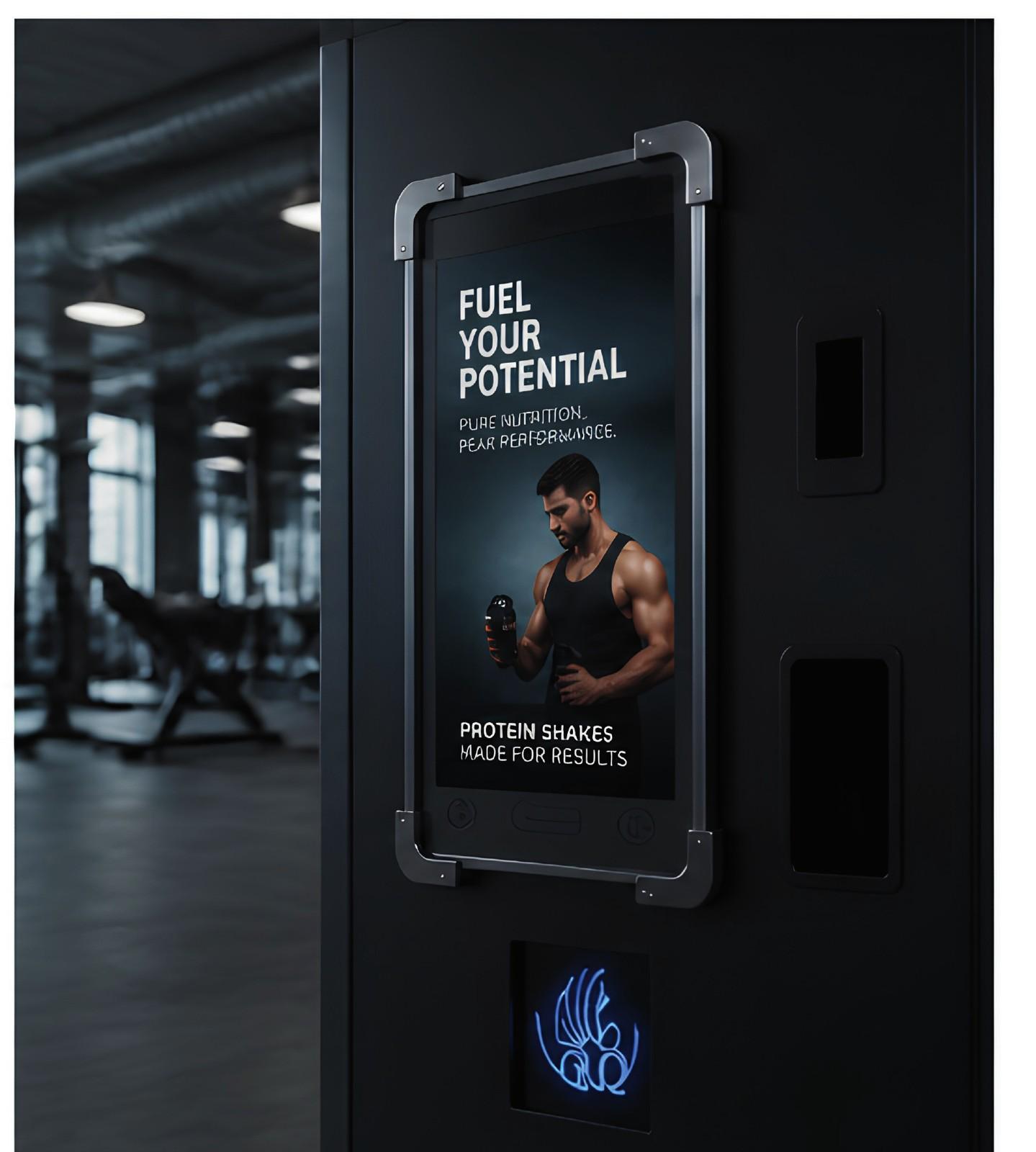
- Digital advertising displays.
- Promotional content management.
- Flexible product configurations.
For example, a premium fitness chain may want its vending machines to follow the same visual identity across multiple branches. A manufacturer that supports customisation can help maintain brand consistency while delivering the required vending functionality.
Also, check whether the digital display can be used for advertisements and promotional campaigns. This may create an additional commercial opportunity depending on the machine and its software capabilities.
6. Ask About Maintenance, Warranty and Technical Support
A vending machine is an operational asset. It needs to work consistently. Even a technically advanced machine can become a problem if the manufacturer does not provide adequate support after installation.
Before making a purchase, ask:
- What is the warranty period?
- What components are covered under warranty?
- Is technical support available remotely?
- Are spare parts readily available?
- What is the recommended maintenance schedule?
- How are software updates and technical issues handled?
For machines that prepare or dispense beverages, hygiene and regular cleaning requirements are particularly important. Ask for clear operating and maintenance instructions before deployment.
A good manufacturer should explain not only how the machine works, but also what is required to keep it working reliably.
7. Evaluate the Manufacturer's Ability to Support Future Expansion
Your first vending machine may be only the beginning. A fitness centre might initially install one machine and later expand to multiple branches. A commercial operator may want to introduce different product categories or deploy machines across several locations.
In such cases, scalability matters. Check whether the manufacturer can support:
- Multiple machine configurations.
- Higher product capacity.
- Additional dispensing capabilities.
- Remote management of multiple units.
- Software and feature upgrades.
- Customised solutions for different environments.
You should also understand whether the manufacturer has the engineering capability to develop solutions beyond its existing product catalogue. Choosing a manufacturer with a clear product roadmap can make future expansion easier.
One range, four models for different operational requirements
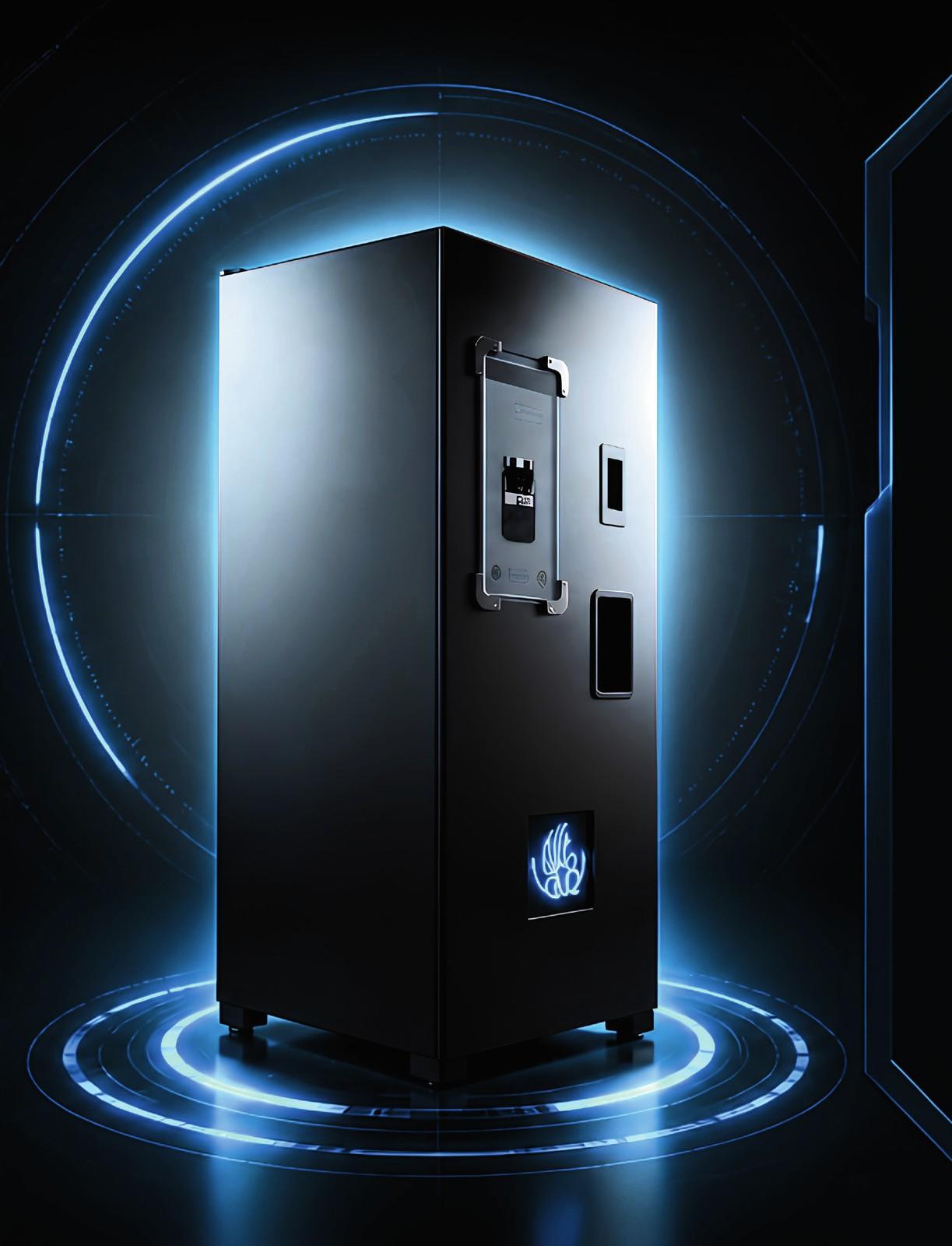
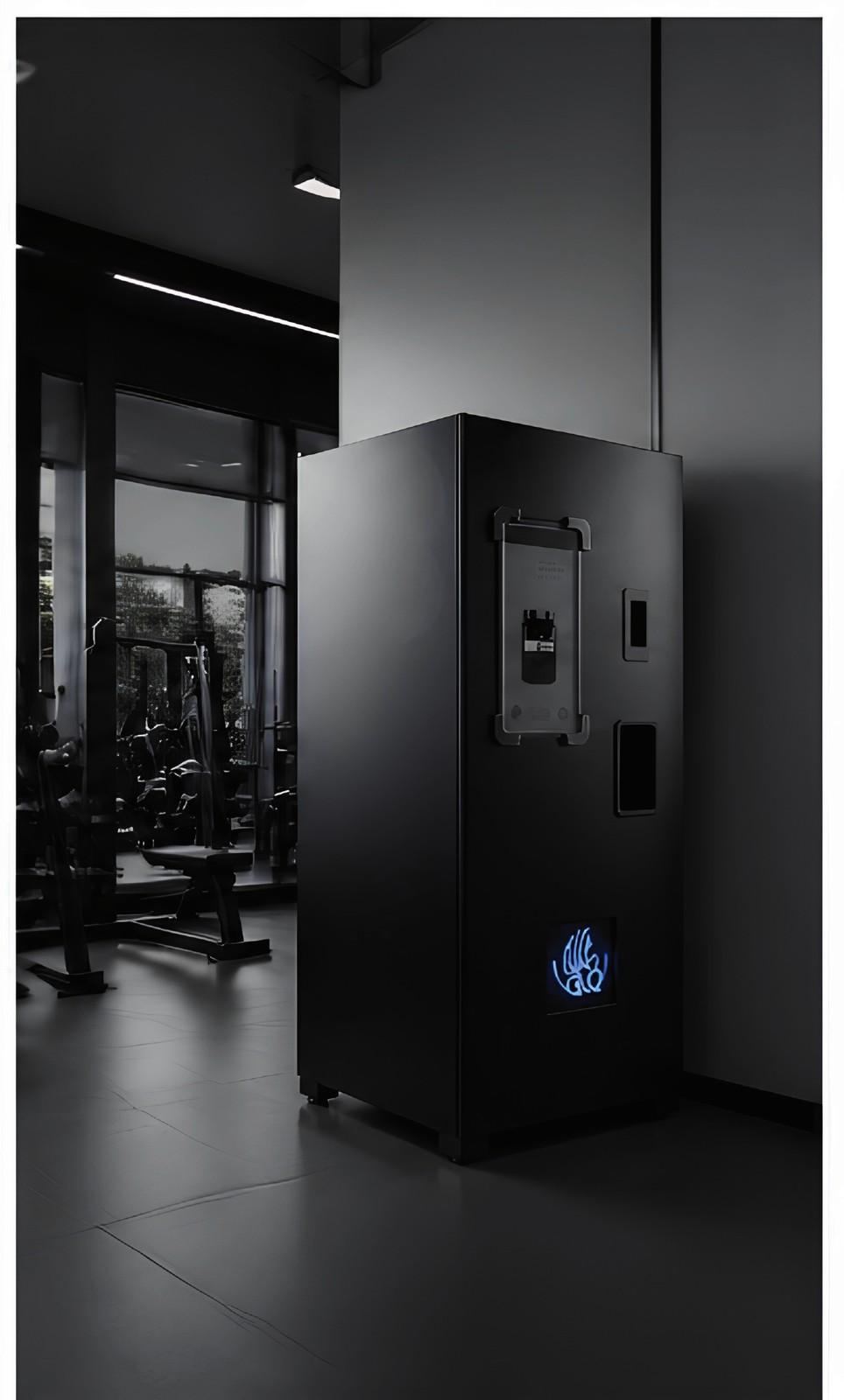
At Griffinmark Robotics, the GMR FuelBot range is designed for businesses looking to introduce automated nutrition and beverage dispensing into their facilities. All prices are exclusive of GST, and final suitability depends on the intended application and configuration.
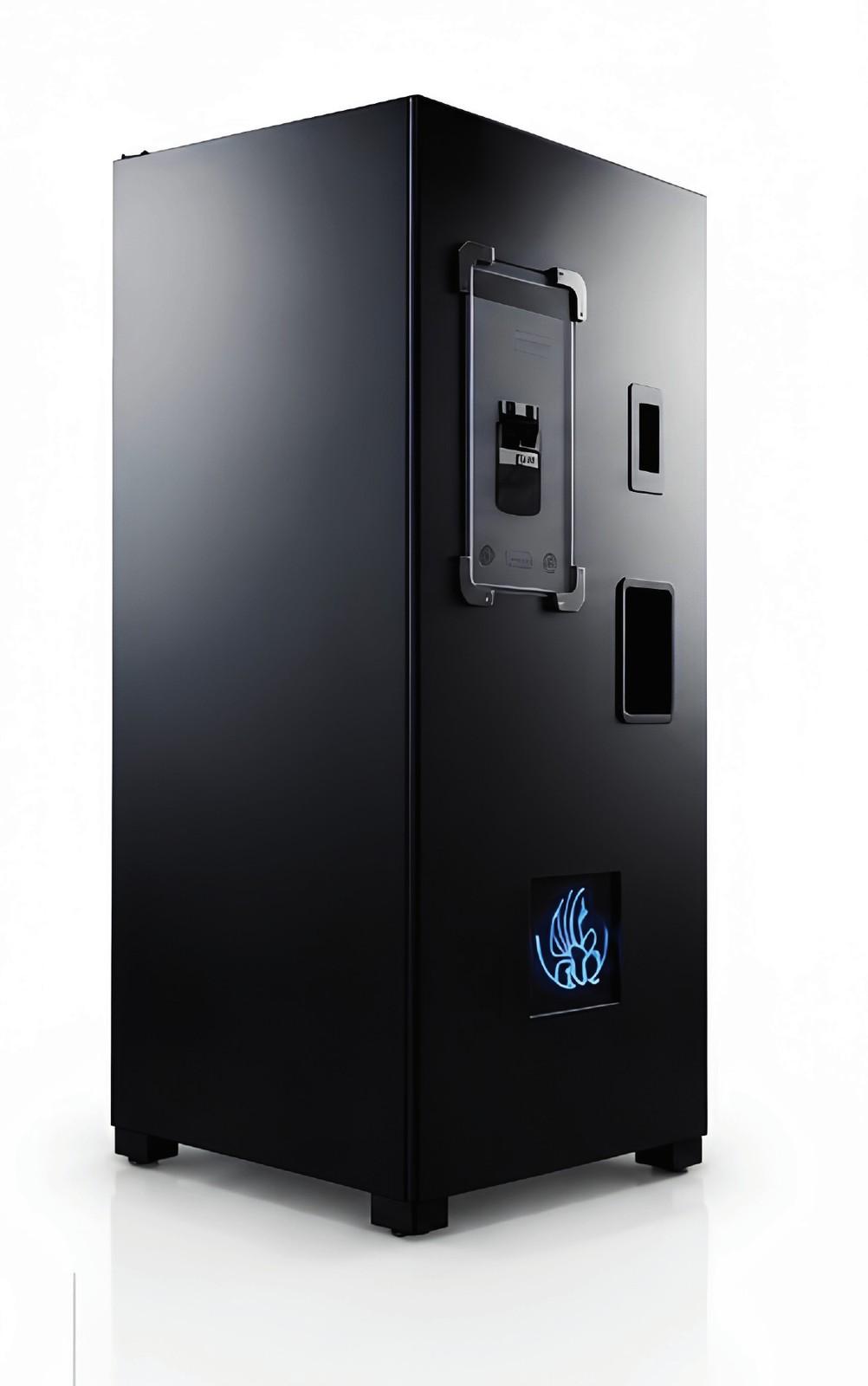
FuelBot LITE
Smart fitness automation starts here
- Display10" smart interactive display
- MenuAutomated protein dispensing, 3 supplement variants
- PaymentsQR / UPI, contactless
- AnalyticsSmart sales tracking
Best for Boutique gyms, Fitness studios, Startup fitness centres
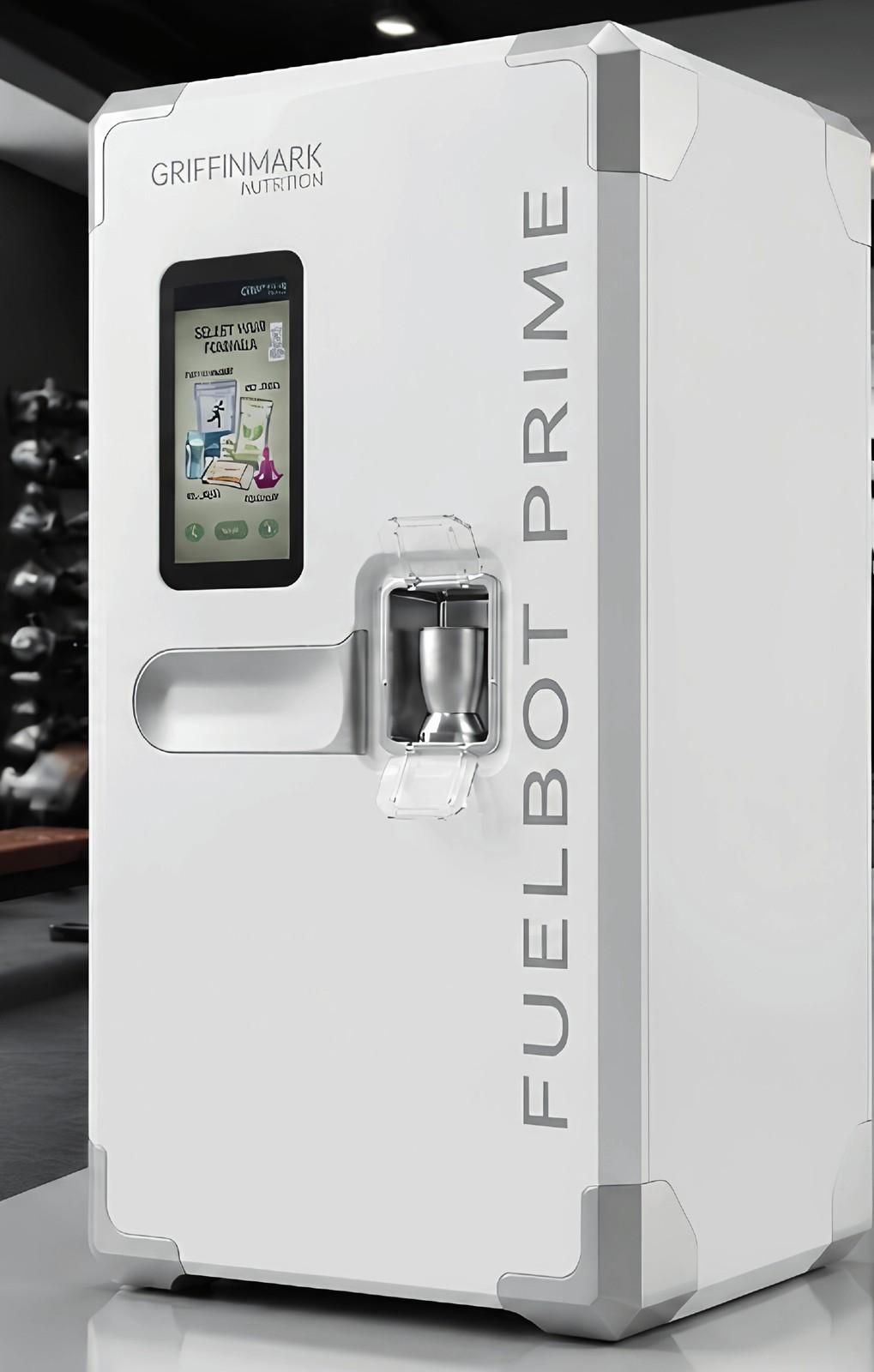
FuelBot PRIME
Built for high-performance gyms
- Display22" smart advertising display
- MenuUp to 6 supplements, faster dispensing system
- PaymentsQR / UPI, dynamic offers & pricing
- AnalyticsAI-powered sales analytics, cloud monitoring
Best for Premium gyms, Fitness chains, CrossFit centres
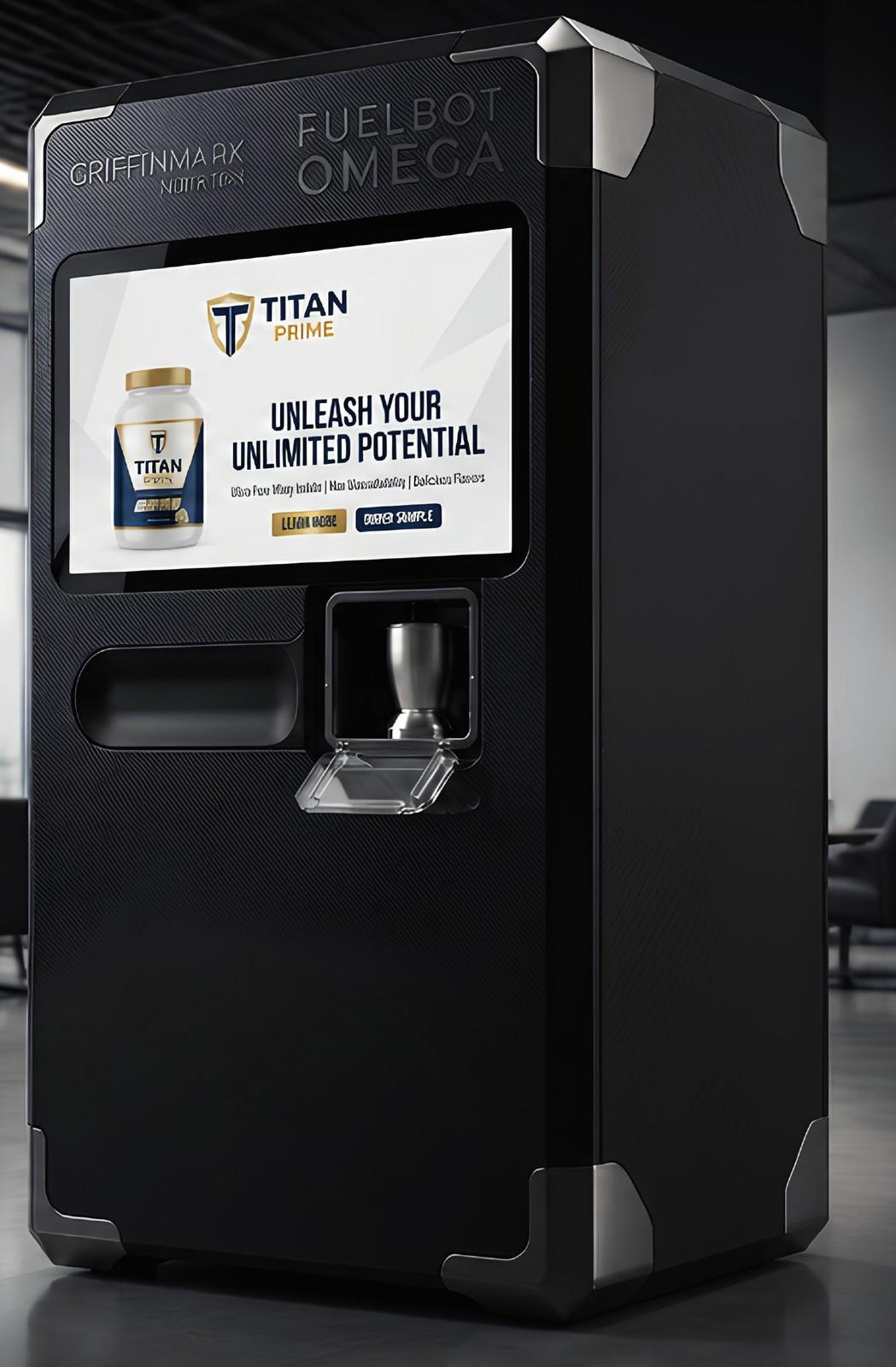
FuelBot OMEGA
The future of automated beverage systems
- Display32" AI smart interactive display
- MenuShakes, smoothies, coffee, energy drinks, electrolytes, soda
- PaymentsQR / UPI, dynamic offers, mobile app integration
- AnalyticsAI recommendation engine, cloud sales analytics
Best for Luxury gyms, Airports, Smart cafés, Wellness clubs
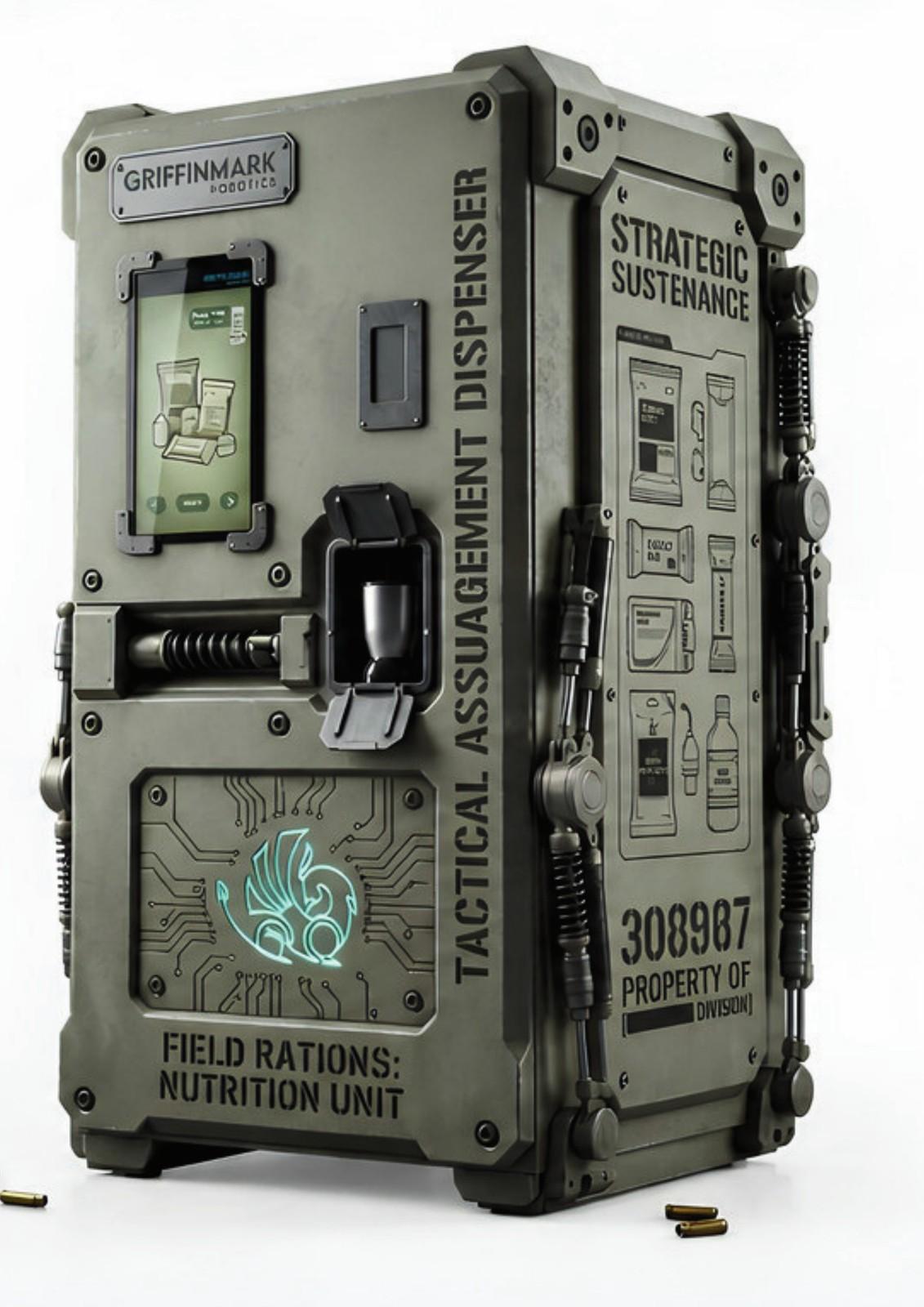
FuelBot RAVEN
Tactical. Rugged. Built like military hardware.
- Display15" tactical smart display
- MenuProtein & energy drink dispensing
- PaymentsQR / UPI, contactless
- AnalyticsAI sales analytics, cloud monitoring
Best for Hardcore gyms, MMA centres, Defence academies, Tactical fitness facilities
Final Thoughts
Choosing a vending machine manufacturer is a decision that goes beyond comparing product prices.
The right manufacturer should understand your business requirements, offer suitable dispensing technology, provide reliable software integration and support the machine after installation.
Take time to evaluate the machine's capabilities, operating costs, maintenance requirements and potential for future expansion. A well-chosen vending solution can become a useful business asset, improving customer convenience while creating opportunities for automated sales.
Planning to invest in a smart vending machine? Talk to Griffinmark Robotics about your requirements and explore the GMR FuelBot range, built by the same team behind our robotics and automation services.