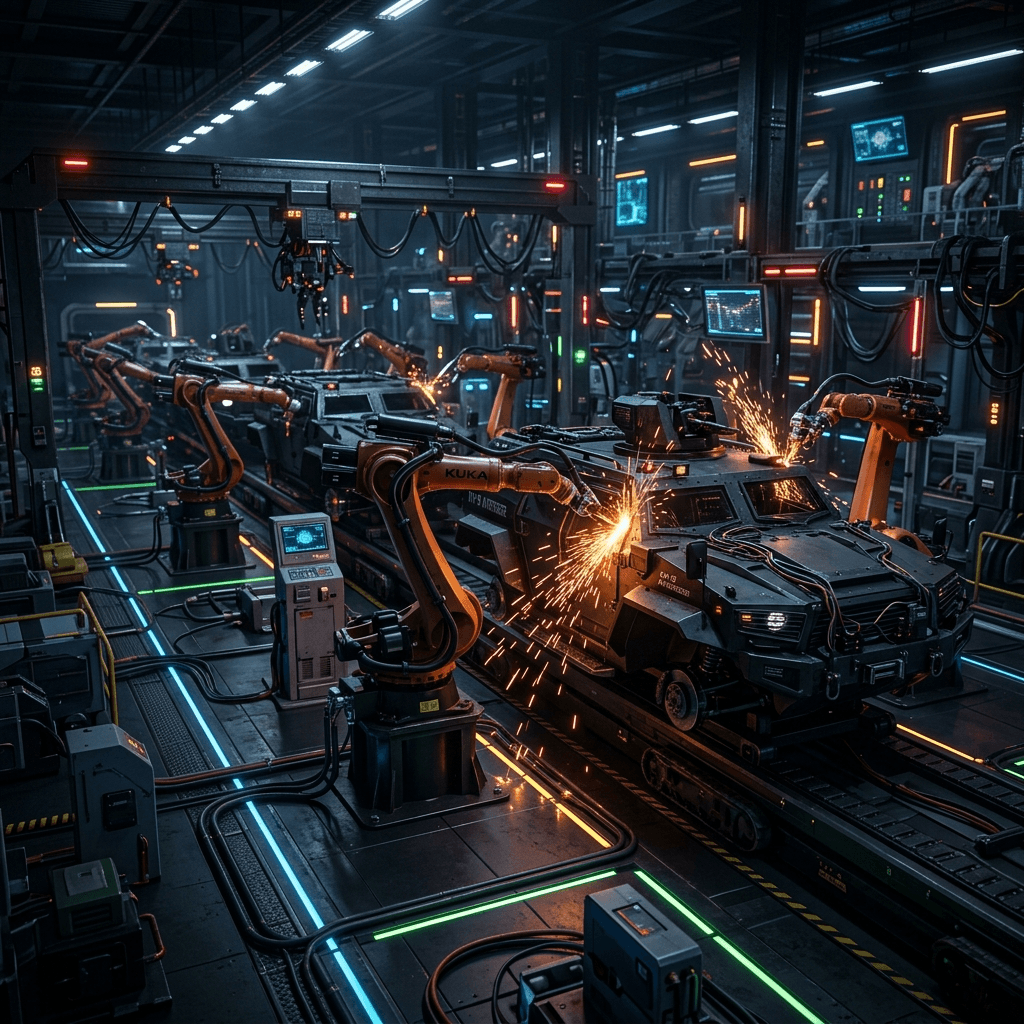
Inside Robot Manufacturing: From Prototype to Production Line
A working prototype and a production-ready robot are two very different engineering problems. Here is what changes between them.
The Gap Between "It Works" and "It Ships"
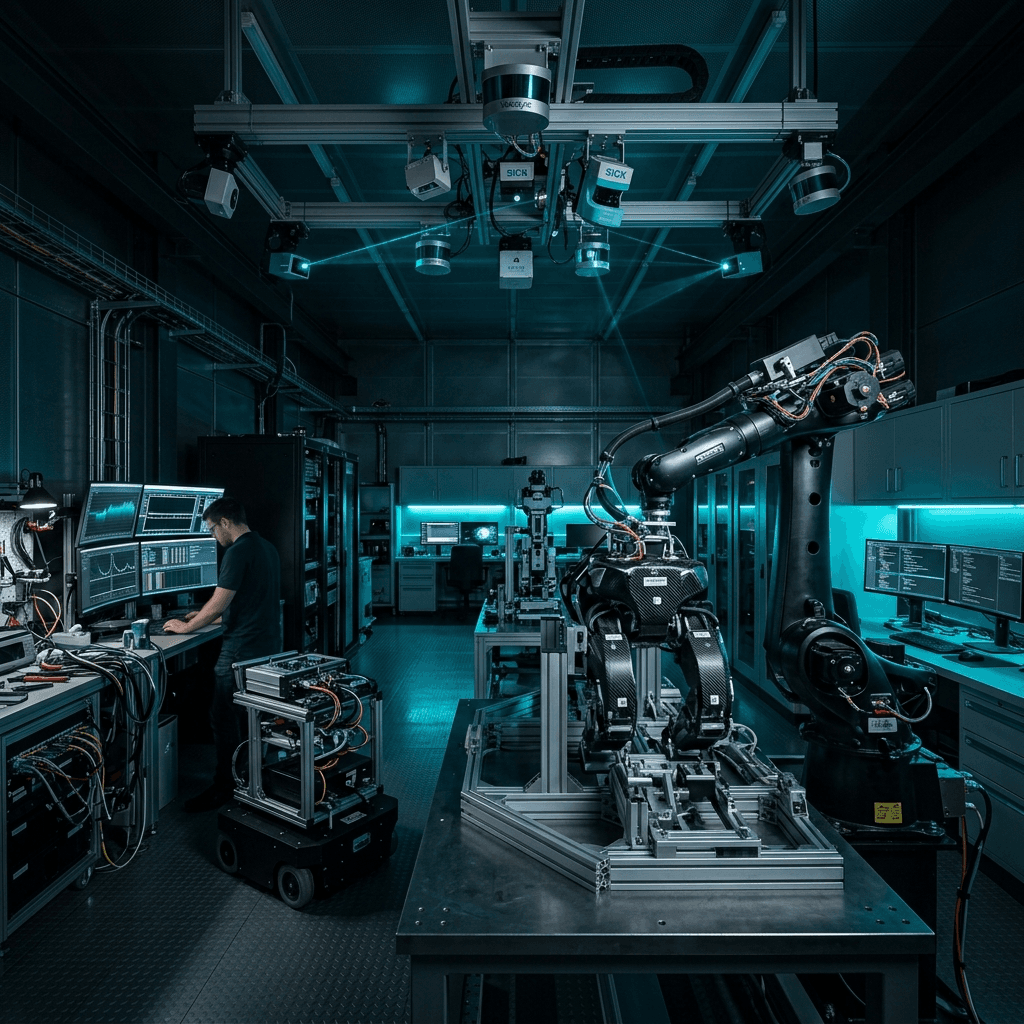
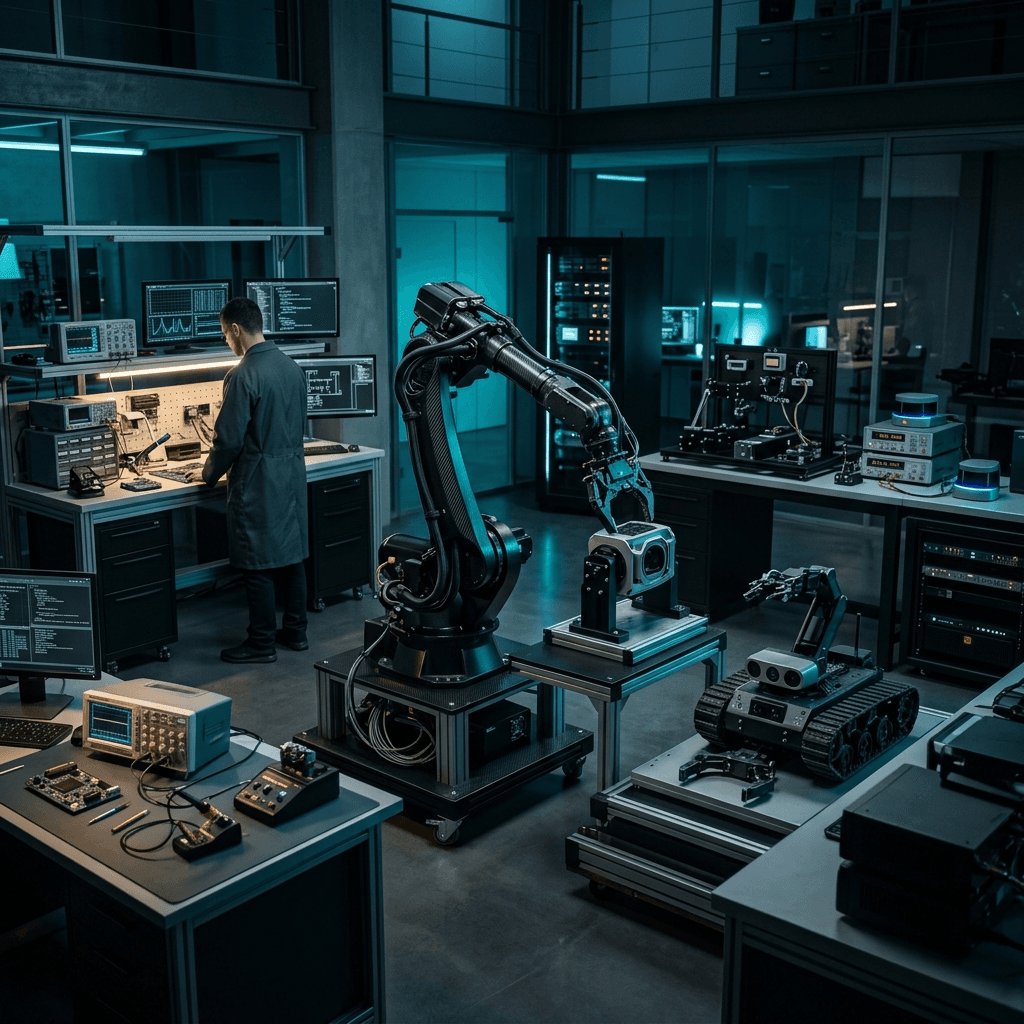
Building one robot that works in a controlled setting is a mechanical and software problem. Building the hundredth robot that works reliably, on schedule, at a defensible cost, is a manufacturing problem — and the two require very different engineering discipline.
1. Design for Manufacture, Not Just Design for Function
A prototype can use a hand-fitted part or a one-off bracket. A production design has to account for tolerance stack-up, component sourcing risk, and assembly time — often meaning a working prototype gets meaningfully redesigned before it ever reaches a production line.
2. Component Sourcing Is a Design Constraint
Every actuator, sensor, and controller in a production robot needs a supply chain behind it, not just a datasheet. Sourcing decisions made early in the design phase determine whether a robot can actually be built at scale.
3. Quality Control Has to Be Built Into the Process
Production-grade manufacturing means every unit is tested against the same standard before it leaves the floor — not spot-checked. That's what turns a good prototype into a product a business can put its name behind.
4. Batch Production vs. Custom Builds
Not every robotics project should be manufactured the same way. Standardised products benefit from batch production and tooling investment; specialised, low-volume deployments are often better served by a custom-build process that stays close to the original engineering team.
The takeaway: a robot that works in a lab and a robot that's ready to manufacture are different milestones — treating them as the same step is where most robotics timelines go wrong.